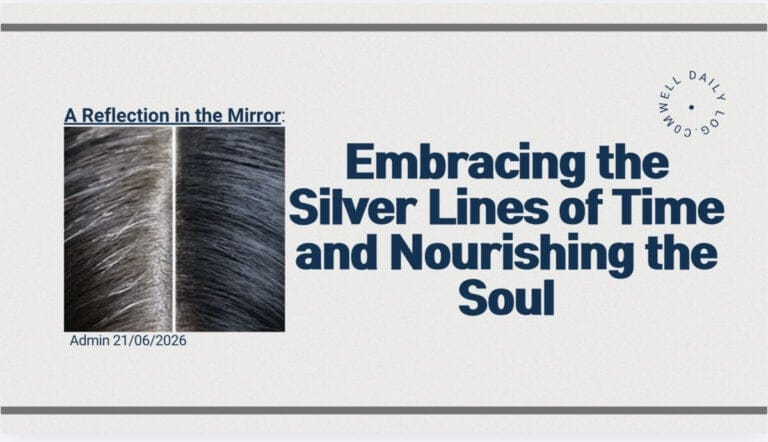
There is a unique, quiet peace that comes with spending a weekend morning in the garden. For years, tending to the soil, pruning the overgrown branches, and shaping the hedges has been my personal sanctuary—a therapeutic escape from the frantic rush of daily life. This past weekend, the weather was exceptionally beautiful, and the garden seemed to practically beg for my attention. I stepped outside with a light heart, ready to dive into the physical labor I usually thoroughly enjoy. I pulled out the lawnmower, checked the oil, and began guiding it across the yard. But just thirty minutes into pushing the machine through the thick grass, a sudden, sharp tightness gripped my lower back the moment I bent down to clear a stray root. I froze, caught completely off guard by a dull, aching protest from a body that used to move without a second thought.
Determined not to let a little stiffness ruin my productive day, I took a brief rest and moved on to the next task on my list: trimming the high privacy hedges along the wooden fence. I set up the ladder, climbed a few rungs, and spent what felt like an hour with my arms raised high, carefully navigating the heavy shears through the dense wood. By the time I finally stepped back down to the grass, a wave of profound exhaustion washed over me. It wasn’t just a simple tiredness; my shoulders felt like lead, my knees throbbed with every step, and an all-over muscular ache let me know that my physical stamina had hit absolute rock bottom. Sitting on the porch steps, staring at my half-finished garden, a bittersweet reality settled heavily in my chest: my body is no longer the resilient vehicle it was in my youth, and ignoring this truth is no longer an option.
It is easy to feel a sense of frustration or quiet sorrow when you realize your physical limits have shifted so drastically. In our mid-fifties, our muscles naturally begin to lose their density, our joints lose a bit of their fluid ease, and our metabolic recovery slows down. Rationally, I understand that this decline is part of the grand design of aging, but emotionally, feeling betrayed by your own strength while doing something you love is deeply disheartening. Yet, as I sat there listening to the wind rustle through the trees, I realized that yielding to discouragement wouldn’t change reality. Instead of mourning the effortless stamina of my past, I needed to take an honest, active responsibility for my present well-being. If I want to continue enjoying my garden and living an independent, vibrant life, I must proactively rebuild my foundational strength through consistent, mindful exercise.
When starting a fitness journey at this stage of life, jumping straight into high-intensity workouts or heavy weightlifting is a recipe for injury. The wisest approach is to focus on the absolute fundamentals: core stability, gentle resistance, and functional mobility. A brilliant starting point is **brisk walking combined with mobility stretches**. Walking for 30 minutes a day at a steady pace strengthens the cardiovascular system and builds endurance in the legs without placing excessive stress on the lower back and knees. Following a walk with gentle dynamic stretching—focusing on hip openers and shoulder rotations—directly targets the exact stiffness that made my garning so painful. This simple rhythm lays down the essential foundation, preparing the muscles and joints for more focused strength development without overwhelming the nervous system.
Once the baseline endurance is established, incorporating **low-impact structural exercises** is crucial for long-term health. For a body that struggles with bending down or reaching high places, **Pilates or gentle Yoga** can be incredibly transformative. These practices focus heavily on core engagement, alignment, and flexibility, which directly stabilizes the spine and pelvis—the very areas that protested so loudly during my lawnmowing session. Additionally, integrating **bodyweight exercises** such as wall push-ups, chair squats, and modified planks allows us to build functional muscle strength safely. Chair squats, for instance, mimic the exact movement of bending down to weed a garden bed, ensuring that the strength we build on the exercise mat translates seamlessly into our everyday physical tasks.
Exercise, however, is only one half of the equation; we must also give our bodies the internal building blocks required to repair and preserve lean muscle mass. As we age, our bodies require a higher and more deliberate intake of **clean, high-quality protein** to combat natural muscle wasting, a condition known as sarcopenia. We must ensure that foods like wild-caught salmon, lean turkey, organic eggs, and plant-based proteins like lentils and organic tofu are staple items in our weekly grocery carts. Salmon and mackerel are particularly wonderful because they are packed with omega-3 fatty acids, which actively reduce the systemic joint inflammation that causes post-workout soreness. Nourishing our muscles with the right fuel allows our bodies to recover faster, transforming exercise from a grueling chore into a deeply restorative habit.
In addition to macronutrients, we must be intentional about incorporating specific **micronutrients and minerals** that fortify our musculoskeletal system. **Calcium and Vitamin D**—found in fortified dairy products, leafy greens, and sardines—are absolutely non-negotiable for maintaining strong bone density, which acts as the scaffolding for our muscles. Furthermore, consuming foods rich in **magnesium and potassium**, such as avocados, bananas, pumpkin seeds, and dark leafy spinach, is essential for optimal muscle function and preventing the painful cramps that often strike after a day of hard labor. Hydration, too, plays a monumental role; drinking plenty of clean water infused with a pinch of natural sea salt ensures our muscle tissues remain pliable and less prone to strains when we lift, bend, or stretch.
Looking back at my painful weekend in the garden, my perspective has shifted from resentment to profound clarity. The aches and pains were not a punishment, but a gentle, necessary wake-up call from a body that has taken care of me for over half a century. It is a reminder to slow down, to listen, and to treat myself with a higher level of kindness and respect. I no longer want to fight against the natural seasons of my life or hold onto unrealistic expectations of permanent youth. Instead, I choose to step forward with a heart full of deep gratitude for the breath in my lungs, the strength I still possess, and the beautiful opportunity to cultivate my physical health. Every ache is an invitation to heal, and today, I welcome this new chapter of self-care with peace, patience, and a thankful soul.